
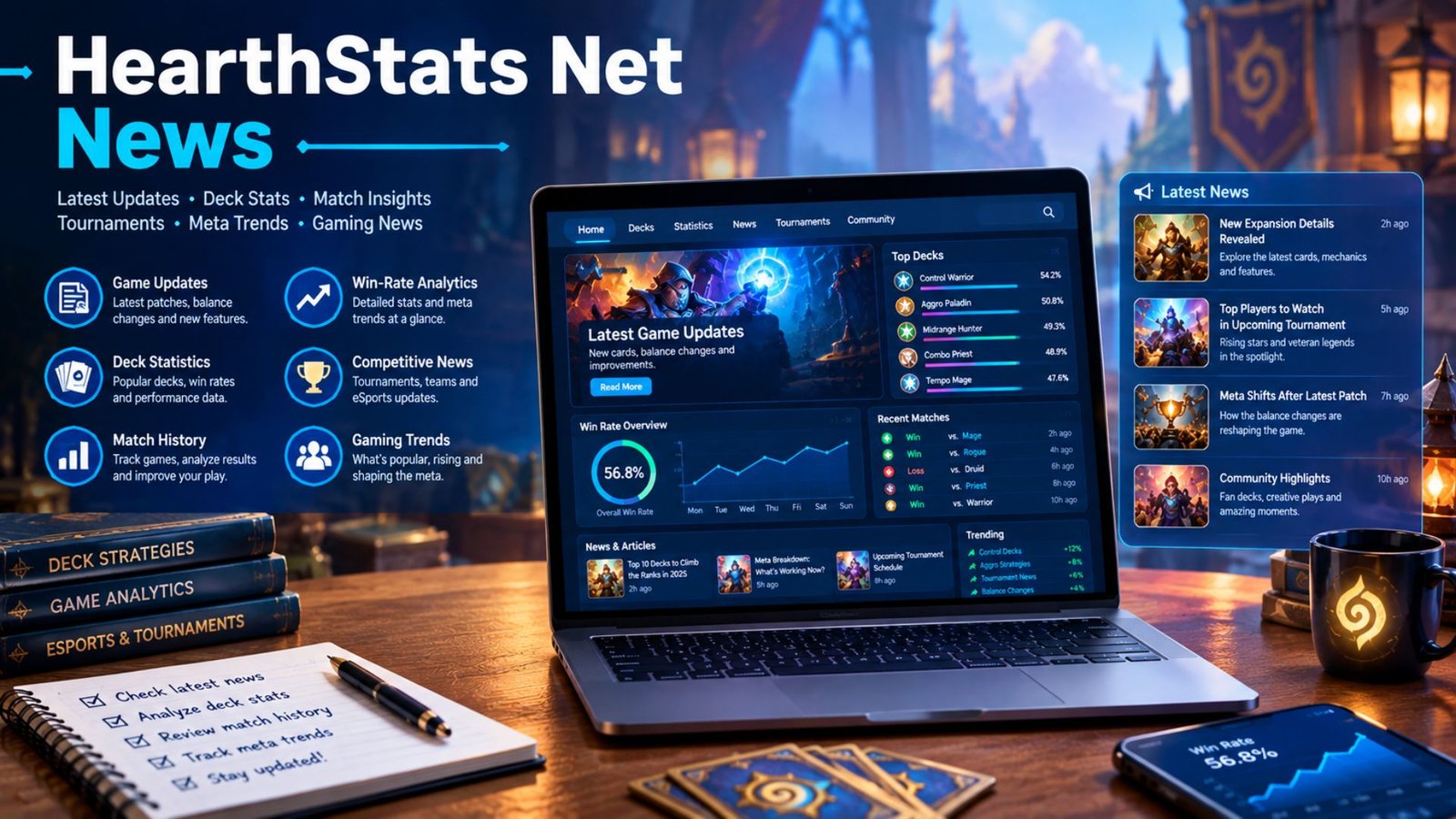
Hearthstats Net News: Latest Updates, Features, History & Hearthstone Analytics
You typed Hearthstats Net News into a search bar. Maybe you expected fresh headlines. Instead, you found a pile of mixed answers. Some pages say the site is alive. Others say it died years ago. This guide clears up the confusion. You’ll learn what Hearthstats.net did, what happened to it, and which Hearthstone tracking tools work today. Along the way, you’ll pick up ideas that help players win more games.
What Is Hearthstats Net News?
Hearthstats net news is a search phrase about the Hearthstats tracker and its story. It isn’t a gaming news outlet. Hearthstats was a third-party tool for Blizzard’s digital card game, Hearthstone. It logged match results and showed win rate analysis for casual gamers and competitive players. People also search news Hearthstats net and news Hearthstats .net when they want updates. Many of them just want to know if the site still works.
Here’s the short answer. No new Hearthstats updates exist as far as reports show. The old tracker faded out around 2017. Still, the name lives on because the gaming community remembers it. Old forum threads and online discussions keep the memory alive. That’s why Hearthstats news searches never quite disappear.
| Quick Fact | Detail |
| Launch year | 2014 |
| Original purpose | Match tracking and deck statistics |
| Reported owner after 2016 | Gamurs (unconfirmed) |
| Status today | No longer a working tracker (reported) |
| Best modern options | HSReplay, Firestone, Hearthstone Deck Tracker |
The Origins and History of Hearthstats.net
Hearthstats.net launched in 2014 as Hearthstone boomed. Back then, the game client showed little beyond your rank. Gamers wanted more. They wanted to know which deck won and which class beat them. Hearthstats stepped in and offered match tracking through a companion app. It also gave a simple site for deck statistics. For many fans, it was their first taste of data-driven gameplay.
The later story is murkier. Several sites say Gamurs bought the platform in 2016. Those same sites say development slowed afterward. However, most of these sources are low quality. For example, this write-up repeats the claim without solid proof. Treat the timeline as reported, not confirmed. Good gaming journalism would check archives first.
Problems Hearthstats Was Designed to Solve
Before trackers, players had almost no historical reporting on their own games. You could remember a few losses. You couldn’t see trends. Hearthstats fixed that gap with a game database of your own matches. It turned vague hunches into numbers. Think of it like swapping a basic speedometer for a full racing dashboard. The table below shows the main pain points and the fix.
| Problem | What Hearthstats Offered |
| No match history | Automatic recorded games |
| Weak deck insight | Deck performance reports |
| No matchup statistics | Class-by-class results |
| Hard to review play | Charts and summaries |
Key Features That Made Hearthstats Stand Out
Hearthstats won fans because it kept things simple. You played. It logged. Then you studied the results. That loop helped player improvement more than any lucky streak. The site also spoke to content creators and streamers, who like to show real numbers on screen. Good analytics tools make gameplay education easier to share.
Each feature solved a small problem. Together, they built a full picture. A casual gamer could use the basics. A tournament competitor could dig deeper. Both groups saw their player performance in plain charts. That mix of depth and ease is rare, even today.
Automated Match Tracking
Automated match tracking meant you stopped typing results by hand. A companion app read game data and sent it to the site. This cut errors and saved time. It also let you focus on game mechanics instead of paperwork. Modern Hearthstone tracking tools still use the same core idea, and tools like Hearthstone Deck Tracker read game logs in a similar way.
Win Rate Analysis
Winning feels good. Knowing why is better. Win rate analysis shows how often a deck wins over many games. Imagine you win 6 of your first 10 matches. That looks great. Yet ten games say very little. A few hundred games tell the real story. Player decisions get sharper when you respect sample size.
Deck Performance Monitoring
Players tweak decks all the time. Hearthstats let you compare versions side by side. You could see if swapping two cards helped or hurt. This kind of deck performance review supports strategic thinking. It also stops you from blaming the deck for a bad night.
Opponent Class Statistics
Opponent class statistics show which classes give you trouble. If Rogue keeps beating you, the numbers will say so. Then you can adjust. The table below is an illustrative example only. It is not real data.
| Opponent Class | Your Sample Win Rate (Example) |
| Mage | 55% |
| Warrior | 48% |
| Priest | 60% |
| Rogue | 42% |
Data Visualization
Raw numbers can feel heavy. Data visualization fixes that. Charts turn a wall of digits into patterns you spot in seconds. A rising line says you’re improving. A dip warns you to review your recent games. Good user experience design keeps stats friendly for everyone.
Read More About: Crackstube Explained (2026): Meaning, Safety, Publishing Platform & Everything You Need to Know
How Hearthstats Changed Hearthstone Strategy
Before trackers, many players trusted their gut. Gut feelings aren’t bad. However, they can mislead you. Hearthstats pushed Hearthstone strategy toward data-driven decisions. Players started asking better questions. Which deck works? Which matchup needs work? Which card hurts consistency? That shift shaped how strategy guides and strategy articles get written.
The change also reached competitive Hearthstone. Professional players and coaches now review data before big events. Esports organizations treat stats as part of prep. Hearthstats wasn’t the only reason. Still, it helped make tracking a normal habit.
Using Statistics to Improve Gameplay
Here’s an illustrative scenario. A player logs 40 games with one deck. She sees her worst results come against fast aggro decks. She swaps two slow cards for cheaper ones. Her next 40 games look better. Nobody promises that outcome. But this kind of gameplay analysis turns guesses into tests.
Competitive Advantages of Match Data
Picture two players. One remembers a few matches. The other tracks 1,000. Who spots weak points faster? The second one, most likely. That’s a real edge in competitive gaming. Good match data helps with critical thinking, decision-making, and calm play under pressure.
Latest Hearthstats Net News and Platform Status
Here’s the honest update. Reports say Hearthstats.net stopped working as a tracker around 2017. Reasons vary by source. Some blame Blizzard API changes. Others cite falling activity and server costs. Nobody has shown an official statement. So the cause stays unconfirmed. That gap is a classic case of information overload and thin accurate reporting.
Other reports say the domain now carries unrelated content. Because of that, “latest Hearthstats updates” articles deserve caution. Some of them read like SEO-friendly gaming content with little research. For real, current game updates, check the sources that still ship patch notes. The Hearthstone Deck Tracker releases page is a good example. Recent notes there mention support for a new Hearthstone version.
| Claim | Confidence |
| Launched in 2014 | Widely reported |
| Bought by Gamurs in 2016 | Reported, needs proof |
| Faded out around 2017 | Widely reported |
| Reason for shutdown | Disputed |
| Domain now covers other topics | Reported |
The Evolution of Hearthstone Analytics Tools
Hearthstone analytics has come a long way. Early fans used notebooks and spreadsheets. Then log-reading apps arrived. Today, analytics platforms use cloud servers and huge community data. The path looks a lot like sports. Scouts once trusted their eyes. Now teams trust data science too. The same shift shows up across the gaming ecosystem and wider digital entertainment.
This growth matches other gaming trends. Mobile gaming grew fast. Cross-platform play became common. Cloud gaming and artificial intelligence in gaming also entered the picture. Each trend changed how gaming communities share stats. Hearthstone sits inside that bigger industry trend.
The Early Era of Hearthstone Tracking
The early era was simple. Players logged results by hand or used basic log readers. Tools like Hearthstats and early deck trackers led the way. Features were small. Yet they felt huge at the time. This period gave online communities their first shared numbers.
The Modern Analytics Era
Now, real-time analytics and meta reports are normal. Overlays show cards inside the game. Large databases power meta analysis. Streamers show stats live on streaming platforms. Audiences follow along and join community discussions. Even hardware performance matters more, since overlays run beside the game. A decent gaming PC with a solid processor and graphics card keeps everything smooth.
Hearthstats vs Modern Hearthstone Analytics Platforms
Think of this as a relay race. Hearthstats ran the first leg. Newer tools took the baton. Each one has strengths. Your best pick depends on your goals. Do you want to climb the ladder? Do you play Battlegrounds? Do you care about your collection? Answer that first.
Costs and access also matter. Some features sit behind paid tiers. Others are free. Since monetization shapes what each platform offers, read the plans before you sign up. Also check what data each tool collects. Good industry transparency helps you trust the site.
Hearthstats and HSReplay
HSReplay.net is a top pick for meta reports and matchup statistics. It gathers millions of games into one place. That size makes its Hearthstone statistics more stable. Hearthstats had a smaller scope. HSReplay offers wider meta shifts tracking, which helps after each balance change.
Hearthstats and Firestone
Firestone focuses on convenience. It runs on Overwolf and offers overlays plus Battlegrounds and Arena help. It also tracks your collection. For mobile devices fans, note that support varies by platform. Check each tool before you count on it.
Hearthstone Deck Tracker
Hearthstone Deck Tracker, or HDT, is a favorite on Windows. It follows cards during a match. It also connects to HSReplay for synced stats. The team behind it has a clear view on fair play. Their release notes say a tracker should enhance playing the game, not tell you what to do. That stance protects competitive success and fair game design.
Feature Comparison Table
Only verified points appear below. Hearthstats cells say “not verified” on purpose.
| Feature | Hearthstats | HSReplay | Firestone | HDT |
| Best for | Not verified | Meta reports | Collection and Battlegrounds | In-game overlay |
| Platform | Web (reported) | Web plus sync | Overwolf app | Windows |
| Overlay | Not verified | Through HDT | Yes | Yes |
| Community data | Not verified | Large | Large | Via HSReplay |
| Active today | No (reported) | Yes | Yes | Yes |
Why Hearthstone Analytics Matter for Players
Ever lost five games in a row and blamed the deck? Data can settle that argument. Hearthstone analytics separate skill, deck choice, and plain luck. That clarity helps every gamer. It also helps gaming analysts who write gameplay analysis for fans. Better information leads to better player experience and steadier player behavior.
Numbers also help audiences trust what they read. When a gaming website backs a claim with data, readers notice. That builds credibility. In short, analytics make talk about the game more honest.
Understanding Win Rates and Match Data
A win rate is just wins divided by games. Simple, right? The catch is context. Rank, deck type, and sample size all change the meaning. A 60% win rate over 20 games proves little. Over 500 games, it proves a lot. Good statistical analysis starts with enough data.
Identifying Deck Strengths and Weaknesses
Start by sorting your results by opponent class. Next, look for a matchup that sits far below your average. Then decide. You can tweak your list or switch decks. This kind of matchup analysis feels like a doctor reading a chart. You spot the weak point and treat it.
Read More About: SpicyChat AI Review 2026: Features, Pricing, Login, Models, Safety, and Alternatives
How Balance Patches Affect Hearthstone Analytics
One balance patch can flip the whole meta. A single nerf can sink a top deck overnight. Old data then goes stale fast. That’s why balance updates and patch notes matter so much. Game developers and game publishers use them to keep the game fresh. Players then rush to test new game mechanics.
Trackers must keep up. New cards and effects need support. Right after a patch, stats can jump around. Wait for a solid sample before you trust a tier list. The table below shows a simple routine.
| Step | What to Check |
| 1 | Read the official patch notes |
| 2 | Note the date range of any stats |
| 3 | Check the sample size |
| 4 | Compare your rank bracket |
| 5 | Retest after a few days |
The Role of Community Data in Hearthstone
Community data powers every modern tracker. More logged games mean better stats. Better stats bring more users. That loop feeds itself. It also fuels community stories, strategy sharing, and player feedback. Developers and players can talk more clearly when both sides see the same numbers. That helps developer-player communication.
Privacy still matters. Good platforms let you choose what to share. They also explain what they collect. Trust keeps community interaction healthy. Without trust, people stop sharing data.
How Player Data Supports Meta Analysis
When thousands of players share results, archetype popularity becomes clear. So do matchup statistics and win-rate statistics. Content creators then use those numbers in videos and guides. Gaming influencers spread them further on social media. Handled well, this cycle gives the gaming community a shared, factual picture of the meta.
Challenges Faced by Hearthstone Analytics Platforms
Running a stats site is harder than it looks. Bugs appear. Servers cost money. Rules change. Game titles shift with each expansion. These pressures explain why early trackers struggled. They also show why gaming market trends matter to small teams. Without steady income, even loved tools can vanish.
Esports economics adds another layer. Big events bring big money. Small tools rarely see any of it. Plus, community polarization can hurt a project. Heated fights over tier lists or paid features can split fans. Calm, clear communication helps.
Data Accuracy
Missing games skew results. So do biased samples. If only top players share data, casual results vanish. Bugs can also log a match wrongly. Accurate reporting needs clean data. Otherwise, misinformation spreads fast.
API Restrictions
Developers depend on what publishers allow. If a game changes its logs or access, tools can break overnight. Some reports blame such changes for Hearthstats’ end. That claim is unconfirmed. Still, it shows why technical knowledge and good ties with game publishers matter.
Rapid Meta Changes
Decks rise and fall quickly. A tool that updates slowly falls behind. Fast game updates demand fast fixes. Teams need teamwork and steady information sharing to keep pace.
Infrastructure and Maintenance Costs
Millions of games need storage and processing. Cloud technology helps. Yet it isn’t free. Costs grow as the audience grows. Hosting, security, and support all add up.
What New Hearthstone Players Can Learn From Hearthstats
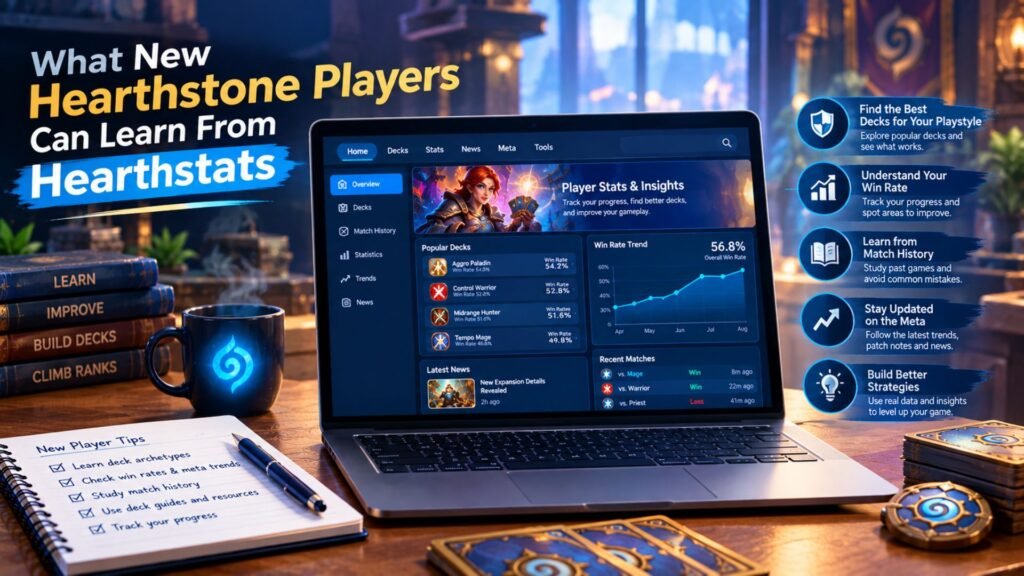
New players often feel lost. Good news: you don’t need fancy tools to begin. Pick one tracker. Play normally. Then review your results once a week. That small habit builds strategic thinking fast. It also makes Hearthstone feel less random.
Keep your goals modest. Aim to learn, not to be perfect. Ask coaches, streamers, or friends for help. The gaming community is usually friendly. Sharing gameplay experiences speeds up everyone’s growth.
Important Lessons for Better Gameplay
Track your results. Study your weakest matchups. Adapt when a patch lands. And don’t chase one bad streak. Combine those habits with communication and decision-making skills. Over time, your player improvement will show in your rankings.
Common Misconceptions About Hearthstats Net News
Myths pop up whenever a site goes quiet. Some come from honest mistakes. Others come from thin online gaming news pages built for clicks. Weak gaming articles can repeat each other without checking facts. That’s a real gaming journalism challenge. Reliable information takes effort. Check dates, sources, and links before you believe a claim.
Watch for misinformation in comment threads too. Not every online discussion is accurate. Cross-check with industry reports or gaming reports from trusted gaming portals. Strong professional reporting always names its sources.
Is Hearthstats a News Website?
No. It was a tracker. A small news section existed, but tracking was the main job. So Hearthstats gaming news is a bit of a misnomer. Treat it as a tool, not a news platform.
Does Hearthstats Still Provide Live Updates?
No, based on current reports. Be careful with any page that claims fresh Hearthstats updates. Look for a real date and a named source. If those are missing, move on. For gaming updates you can trust, use official Blizzard channels.
Can Players Still Benefit From Hearthstats Concepts?
Yes. The core ideas still work. Log your games. Compare deck statistics. Study matchup statistics. Modern tools do these things better. However, the habit of data-driven gameplay started with early sites like Hearthstats.
The Lasting Legacy of Hearthstats
Early trackers set expectations. Today’s players assume stats will exist. That assumption started somewhere. Hearthstats was one of the first names many fans met. Even now, some Hearthstats interesting news pages still get clicks. That interest shows how much the gaming community values its own history. Just avoid big claims without proof.
The wider gaming culture also benefits. Fans, esports enthusiasts, and gaming analysts now expect solid numbers. They also expect clear tournament coverage and honest tournament updates. The habit of checking data spread beyond one game.
Its Impact on Hearthstone Analytics
Match logging, deck stats, and matchup tables are now standard. New tools built on those ideas. Esports coverage and esports news now lean on similar data for esports tournaments and tournament results. That’s a fair way to describe the site’s influence without overstating it.
The Future of Hearthstone Analytics
What’s next? Expect smarter tools. AI-driven gaming helpers may read patterns humans miss. Virtual reality gaming and new hardware may also change how people watch and study matches. Expect more personalized gaming advice too. Still, treat these as trends to watch. They aren’t promises.
Hardware will matter as well. Fast monitors, reliable keyboards, clear headsets, and strong gaming PCs all improve gaming experience. Even consoles and smartphones may host more analytics over time. As cross-platform compatibility grows, so will the data.
Artificial Intelligence
Artificial intelligence can scan huge match sets fast. It may flag rising decks before humans notice. It might also explain why a matchup feels bad. That would help coaches and analysts save time.
Predictive Analytics
Predictive analytics could estimate results before a match starts. Useful, yes. Perfect, no. Card games have hidden information and luck. Any forecast will carry error.
Personalized Recommendations
Future tools may suggest decks based on your own history. AI-powered recommendations could match your playstyle. That makes learning feel more personal. It could also raise audience engagement for platforms.
Real-Time Optimization
Real-time optimization could suggest plays mid-match. That raises fairness questions. Where’s the line between help and cheating? The debate is only starting. Clear rules from Blizzard and honest industry transparency will matter.
Frequently Asked Questions
Short answers help you find facts fast. Here are the most common questions about Hearthstats net news.
What is Hearthstats Net News?
It’s a search phrase about the Hearthstats tracker’s history, status, and legacy. It doesn’t point to a real news outlet.
Is Hearthstats.net still available?
The domain reportedly exists. However, reports say it no longer works as a Hearthstone tracker.
Why was Hearthstats important?
It gave early players match tracking, win rate analysis, and matchup insight. That helped many gamers make data-driven decisions.
What are the alternatives to Hearthstats?
Try HSReplay, Firestone, and Hearthstone Deck Tracker. Each offers Hearthstone tracking tools with active support.
How do Hearthstone analytics tools work?
They read game data, log results, and build reports on decks, matchups, and win rates. Many also combine community data for wider meta reports.
Are deck trackers allowed in Hearthstone?
Popular trackers have run for years. Even so, read Blizzard’s current terms before installing any tool.
Why do players still search for Hearthstats?
Some feel nostalgia. Others want to know what happened. Many simply need a replacement.
Conclusion
Hearthstats net news tells a bigger story than one site. It shows how players learned to trust data. It also shows how fragile small analytics platforms can be. The original tracker faded. Its ideas didn’t. Match tracking, deck performance reviews, and matchup analysis live on in modern tools.
So what should you do next? Pick one tool and try it this week. HSReplay, Firestone, or HDT are all solid starts. Track twenty games. Look for one pattern. Then adjust. Which tracker do you like best? Share your pick in the comments and tell the gaming community what works for you.

Ryan Cooper is a dedicated writer with a passion for creating informative and engaging content. He enjoys sharing valuable insights and helping readers stay updated with the latest trends and practical knowledge.





2 Comments