
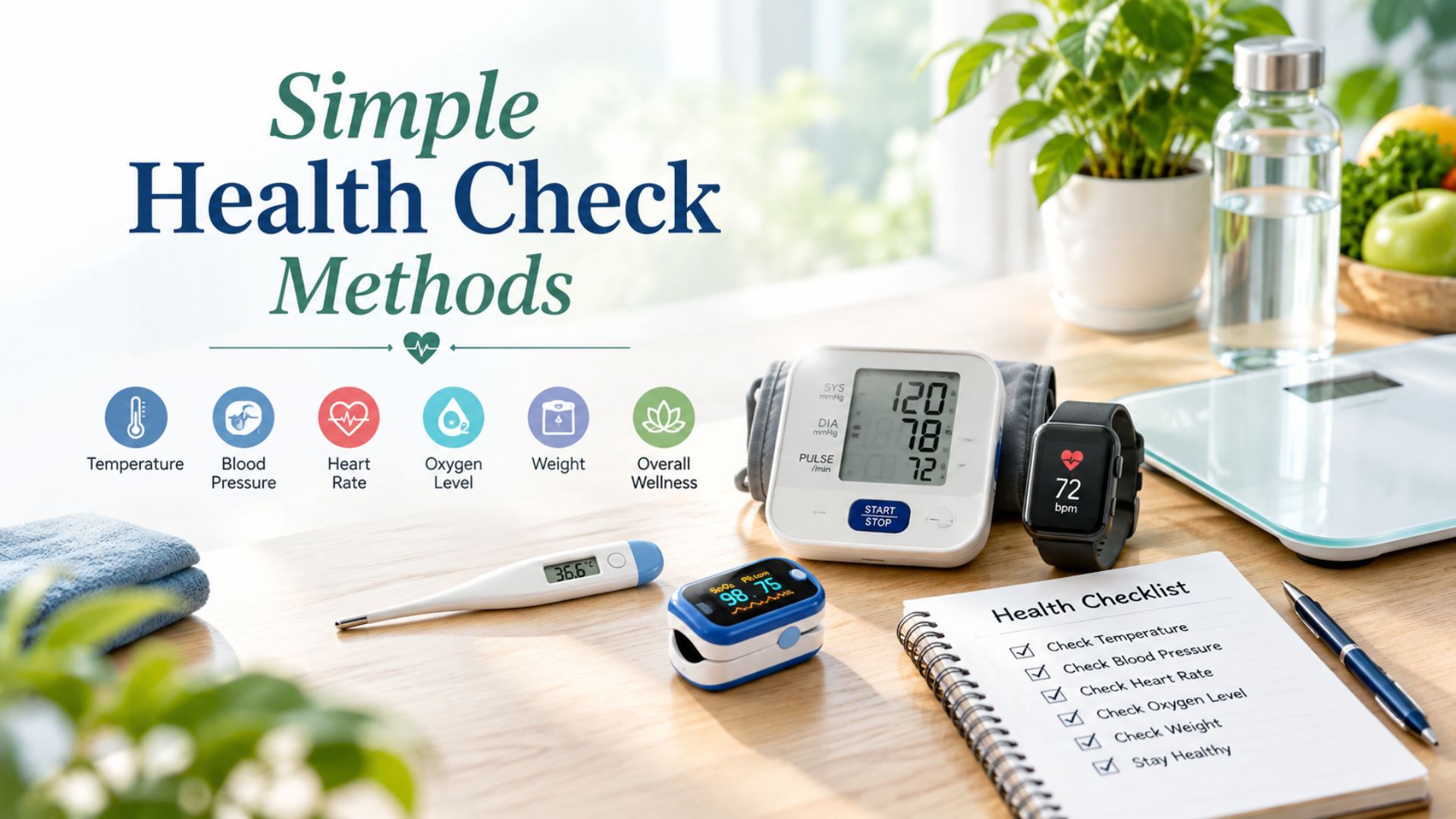
Simple Health Check Methods: Basic Tests and Ways to Monitor Your Health
Your body talks to you every single day. It whispers through your energy levels. It signals through your skin. And sometimes, it shouts through your blood pressure. The trouble is, most of us don’t know how to listen.
That’s where simple health check methods come in. You don’t need a lab coat or a medical degree. You just need a few basic tools, a little consistency, and the willingness to pay attention. This guide walks you through home health monitoring, basic health checkup tests, and everything in between. By the end, you’ll know exactly how to check your health at home and when it’s time to call a professional instead.
What Are Simple Health Check Methods?
So, what are simple health check methods, exactly? They’re quick, low-cost ways to track your body’s basic signals without needing a hospital visit. Think resting heart rate, body temperature, or even the color of your urine. These checks give you a snapshot of your vital signs and overall wellness in just a few minutes.
They aren’t a replacement for real medical screening. But they act as an early alarm system. When something shifts from your normal, you notice it fast. That’s the whole point of wellness tracking: catching small changes before they turn into big problems.
Read More About: OnlyWorkMoods com Review: Is It Legit, Safe, and Worth Your Time in 2026?
Why Regular Health Checks Matter
Most health problems don’t show up overnight. They build slowly, quietly, often for years before symptoms appear. That’s exactly why health check methods matter so much for preventive health awareness. A person who checks their blood pressure monthly will spot a rising trend long before it becomes a crisis. A person who never checks won’t know until a doctor delivers bad news.
In the United States, chronic conditions like heart disease and diabetes remain leading causes of death, and both develop silently for years. Regular self-checks combined with medical screening give you a fighting chance to catch these lifestyle-related conditions early, when they’re easiest to manage.
Preventive Healthcare and Early Detection
Preventive healthcare flips the traditional approach to medicine on its head. Instead of waiting to treat sickness, you work to prevent it. Early detection through simple screening can catch conditions like high cholesterol, prediabetes, or hypertension while they’re still reversible with lifestyle changes alone.
The Centers for Disease Control and Prevention notes that chronic diseases account for roughly 90% of the nation’s annual health care spending. Catching problems early doesn’t just save your health. It saves your wallet too.
Understanding Your Personal Health Baseline
How do you know something’s wrong if you don’t know what “normal” looks like for you? That’s why establishing a personal health baseline matters so much. Everyone’s “normal” resting heart rate, blood pressure, or sleep pattern varies slightly.
To build your baseline, track your vital sign monitoring results for two to three weeks during a typical, non-stressful period. Write down your resting heart rate, blood pressure, weight, and sleep hours each day. This becomes your reference point. Future readings that stray far from this baseline deserve your attention.
Simple Health Checks You Can Do at Home
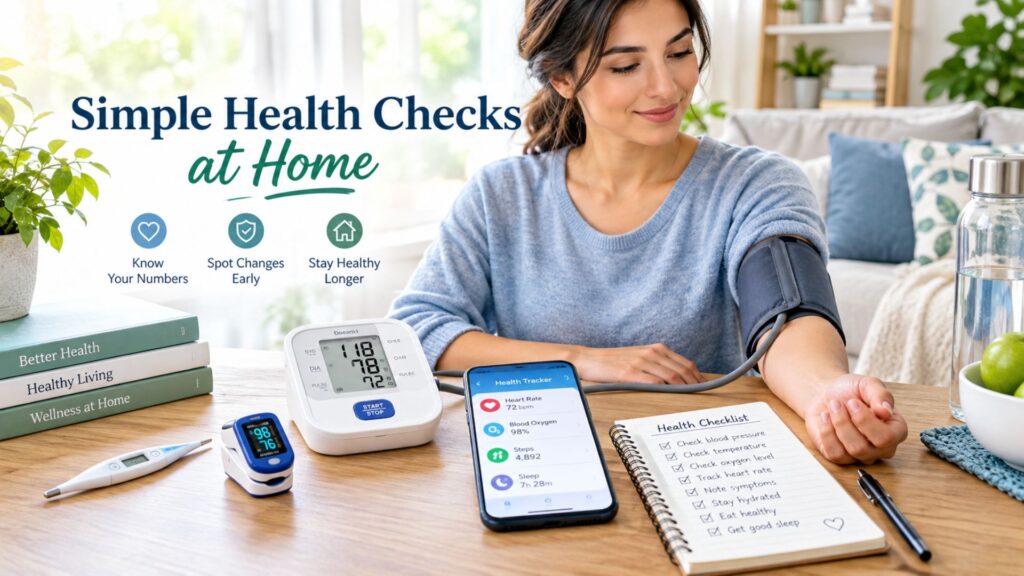
You don’t need fancy equipment to start. Most health check at home methods use nothing but your senses, a clock, and maybe a household tool or two. These checks take minutes and cost nothing, yet they offer real insight into how your body is functioning right now.
Below, we’ll walk through each major check step by step. Do them consistently, and you’ll start noticing patterns in your body signals that most people simply miss.
Resting Heart Rate
Wondering how to check resting heart rate? Sit quietly for five minutes, then place two fingers on your wrist or neck. Count the beats for 60 seconds, or count for 15 seconds and multiply by four.
So, what is a normal resting heart rate? For most healthy adults, it falls between 60 and 100 beats per minute. Athletes often sit lower, sometimes in the 40s or 50s, because of stronger cardiovascular health. A resting rate that suddenly climbs above your baseline could point to stress, dehydration, illness, or an underlying heart rate monitoring concern worth discussing with a doctor.
Breathing Rate and Oxygen Levels
How to check breathing rate is simple: count how many times your chest rises in one minute while resting. A normal adult respiratory rate falls between 12 and 20 breaths per minute.
Oxygen matters just as much as breathing rate. What is normal oxygen saturation? Healthy adults typically read between 95% and 100% on a pulse oximeter. Readings consistently below 92% deserve prompt medical attention. This kind of oxygen awareness becomes especially important for people with asthma, COPD, or recent respiratory infections.
Body Temperature
How to check body temperature hasn’t changed much over the decades, though the thermometers have. Normal body temperature averages around 98.6°F, but it can range from 97°F to 99°F depending on the person, time of day, and activity level.
Temperature monitoring helps you catch infections early. A fever above 100.4°F usually signals your immune system fighting something off. Track your baseline temperature so you recognize a true fever versus your own normal fluctuation.
Blood Pressure
Learning how to monitor blood pressure at home gives you one of the most valuable pieces of health data available. All you need is a home BP monitor, five quiet minutes, and a properly positioned cuff at heart level.
Blood pressure awareness matters because hypertension often shows zero symptoms until it causes real damage. Here’s a quick reference table for adult blood pressure categories:
| Category | Systolic (top number) | Diastolic (bottom number) |
| Normal | Less than 120 | Less than 80 |
| Elevated | 120-129 | Less than 80 |
| Stage 1 Hypertension | 130-139 | 80-89 |
| Stage 2 Hypertension | 140 or higher | 90 or higher |
| Hypertensive Crisis | Higher than 180 | Higher than 120 |
Source: American Heart Association
Body Weight and Measurement Trends
How to track body weight the right way means weighing yourself at the same time each day, ideally right after waking up, before eating or drinking. Daily fluctuations of a pound or two are completely normal, so focus on the weekly trend instead of one single number.
Waist measurement matters just as much as weight for understanding body composition and metabolic risk. A waist circumference over 40 inches for men or 35 inches for women signals increased risk for heart disease and diabetes, according to national health guidelines. Tracking both weight and waist size together gives a fuller picture than the scale alone.
Hydration and Urine Color
How to check hydration doesn’t require any tools at all. Your urine tells the story. So, what does urine color mean? Pale yellow, like light lemonade, usually means you’re well hydrated. Dark yellow or amber signals it’s time to drink more water.
Good fluid balance affects everything from energy levels to kidney function. If you’re consistently seeing dark urine despite drinking water, or noticing very little urine output, that’s worth mentioning to a doctor.
Sleep Quality
How to track sleep quality goes beyond counting hours. Pay attention to how many times you wake during the night, how long it takes you to fall asleep, and how refreshed you feel in the morning. Adults generally need seven to nine hours for proper sleep recovery.
Poor sleep quality connects to nearly every other health marker on this list, from immune function to mental wellness. A sleep journal or wearable tracker can reveal patterns you’d otherwise miss entirely.
Energy Levels and Daily Stamina
How to track energy levels starts with a simple daily rating. Each afternoon, rate your energy on a scale of one to ten. Do this for a few weeks and you’ll start spotting trends tied to sleep, diet, or stress.
Daily stamina naturally dips and rises throughout the day for everyone. But persistent, unexplained exhaustion that doesn’t improve with rest often points toward fatigue monitoring concerns like anemia, thyroid issues, or nutritional deficiencies.
Digestive Health
How to monitor digestive health means paying attention to regularity, comfort, and consistency. Healthy bowel patterns typically fall somewhere between three times a day and three times a week, and stool should be soft, formed, and easy to pass.
Bloating, persistent constipation, diarrhea, or sudden changes in digestive function deserve attention. These symptoms often connect to diet, stress, or sometimes more serious underlying conditions.
Skin, Hair, and Nail Changes
Your body often shows internal problems on the outside first. Skin health, hair health, and nail health offer visible clues about nutrition and overall function. Dry, flaky skin might point to dehydration or thyroid issues. Brittle nails or unusual hair thinning can signal iron deficiency or hormonal changes.
A quick weekly glance in the mirror, checking for new moles, unusual pale nail beds, or excessive hair shedding, takes seconds but can catch problems early.
Mental Health Self-Checks
How to monitor mental health matters just as much as tracking your physical body. A simple mental health self-check involves rating your mood, stress level, and motivation each day. Notice patterns like persistent sadness, anxiety, irritability, or loss of interest in things you usually enjoy.
Stress indicators show up physically too, including tense shoulders, headaches, or trouble sleeping. Journaling for five minutes daily helps you spot symptom patterns connecting your mental and physical wellbeing.
Basic Health Checkup Tests
Home checks give you daily insight, but basic health checkup tests dig deeper using laboratory evaluation. These blood tests reveal what’s happening inside your body at a cellular level, things no home tool can measure.
What are basic health checkup tests, typically? Most primary care doctors recommend a standard panel during annual physicals. Here’s a breakdown of what each test actually checks.
Complete Blood Count (CBC)
What does a CBC test check? A CBC measures your red blood cells, white blood cells, and platelets. It reveals hemoglobin levels, which carry oxygen throughout your body, along with platelets, which help your blood clot properly.
Low hemoglobin often signals anemia, while abnormal white blood cell counts can point to infection or immune issues. This test forms the foundation of nearly every comprehensive health checkup.
Lipid Profile
What does a lipid profile measure? It checks your cholesterol levels, breaking them into HDL (good cholesterol), LDL (bad cholesterol), and triglycerides. High LDL and triglycerides raise your risk for heart disease, while higher HDL actually offers protection.
| Marker | Healthy Range |
| Total Cholesterol | Below 200 mg/dL |
| LDL | Below 100 mg/dL |
| HDL | Above 40 mg/dL (men), 50 mg/dL (women) |
| Triglycerides | Below 150 mg/dL |
Source: National Heart, Lung, and Blood Institute
Diabetes Testing
What is a diabetes panel? It measures blood glucose and HbA1c, which reflects your average blood sugar over the past three months. This diabetes panel catches prediabetes and diabetes early, often before any symptoms appear.
Thyroid Testing
What does a thyroid panel check? A thyroid panel measures thyroid hormones including T3, T4, and TSH. These hormones control metabolism, energy, and even mood. An underactive or overactive thyroid can cause weight changes, fatigue, or anxiety that mimic other conditions entirely.
Liver Function Tests
What does a liver panel check? It measures liver enzymes and bilirubin to see how well your liver is filtering toxins and processing nutrients. Elevated enzymes can point toward fatty liver disease, alcohol-related damage, or medication side effects.
Essential Nutrient Testing
What are essential nutrient tests? These check levels of key vitamins and minerals, including vitamin D, vitamin B12, and iron. Nutritional deficiencies in these areas cause fatigue, weakened immunity, and mood changes that many people mistake for something else entirely.
Electrolyte Testing
What does an electrolyte panel measure? It checks sodium, potassium, magnesium, and chloride levels. This electrolytes panel matters for nerve function, muscle contraction, and heart rhythm. Imbalances often stem from dehydration, kidney issues, or certain medications.
Bone Health Testing
What is a bone mineral test? Also called a DEXA scan, this test measures bone density and calcium levels to assess bone health. It’s especially important for postmenopausal women and older adults at risk for osteoporosis.
Recommended Cancer Screenings
What is cancer screening, and who needs it? Cancer screening includes tests like mammogram for breast cancer, Pap smear for cervical cancer, and PSA testing for prostate cancer. The U.S. Preventive Services Task Force provides age-specific guidelines for when to start these screenings based on gender and family history.
Other Tests Used in Comprehensive Health Checkups
A full body health checkup often includes diagnostic imaging and functional assessments beyond blood work alone. These tests offer a window into organ structure and physical performance that lab work simply can’t provide.
Together, these tools build a complete picture of your health, connecting the dots between how you feel and what’s happening internally.
Electrocardiogram (ECG)
An ECG records your heart’s electrical activity, checking for irregular rhythms, blockages, or signs of previous heart damage. It’s quick, painless, and often included in routine physicals for adults over 40.
Chest X-Ray
Chest imaging through X-ray helps doctors examine your lungs and heart size, catching issues like pneumonia, tuberculosis, or enlarged heart chambers.
Abdominal and Pelvic Ultrasound
Abdominal imaging via ultrasound checks organs like the liver, kidneys, gallbladder, and pancreas for cysts, stones, or structural abnormalities. It’s non-invasive and uses no radiation at all.
Fitness and Physical Health Assessments
Fitness markers including grip strength, flexibility, and BMI round out a comprehensive checkup. These physical assessments reveal how your body is functioning day to day, beyond what lab numbers alone can show.
Doctor Consultation
No test replaces doctor consultation and clinical interpretation. A physician connects your lab results, imaging, and symptoms into one coherent picture, something no single test can do alone.
Basic Health Tests vs Comprehensive Health Checkups
So, basic health tests vs comprehensive health checkup: what’s actually different? A basic checkup usually covers CBC, lipid profile, and blood pressure, taking less time and costing less money. A comprehensive preventive assessment adds imaging, cancer screening, and specialized panels for a fuller picture.
| Feature | Basic Health Checkup | Comprehensive Health Checkup |
| Typical Tests | CBC, lipid profile, blood pressure | CBC, lipid profile, ECG, imaging, cancer screening |
| Time Required | 30-60 minutes | 2-4 hours or multiple visits |
| Cost | Lower | Higher |
| Best For | Annual routine monitoring | Higher-risk individuals, over 40, family history |
How to Build a Simple Health Monitoring Routine
How to build a daily health routine doesn’t need to be complicated. Break your checks into small windows throughout the day, so they become habit rather than a chore. Consistency matters more than perfection here.
Building this routine turns scattered health checks into a genuine health tracking habit, one that reveals meaningful trends over weeks and months.
Morning Health Checks
Right after waking, check your weight, resting heart rate, and temperature. This is when your body is most stable, before food, caffeine, or activity influence the numbers.
Midday Health Checks
Around lunchtime, do a quick energy and mood check. Rate your stamina and note any digestive symptoms from breakfast or your morning meal.
Evening Health Checks
Before bed, check your blood pressure and reflect on your day’s hydration and sleep quality from the night before. This closes the loop on your daily health observations.
Tracking Your Health Trends Over Time
Use a notebook, spreadsheet, or app to log everything. Symptom tracking over weeks reveals patterns that a single day’s reading never could. Review your trends monthly to spot anything worth discussing with your doctor.
Helpful Tools for Monitoring Your Health at Home
What tools are useful for home health monitoring? You don’t need a full medicine cabinet, just a handful of reliable home monitoring devices. Investing in a few basics pays off with years of useful health data.
| Tool | What It Measures | Average Cost |
| BP monitor | Blood pressure | $25-$60 |
| Thermometer | Body temperature | $10-$25 |
| Pulse oximeter | Oxygen saturation, pulse | $15-$40 |
| Smart scale | Weight, sometimes body composition | $30-$100 |
| Health tracking apps | Sleep, activity, symptoms | Free to $10/month |
Blood Pressure Monitor
A quality BP monitor with an upper-arm cuff gives the most accurate readings. Automatic digital models make daily checks fast and simple.
Thermometer
Digital thermometers work faster and more accurately than older mercury versions. Keep one in an easy-to-find spot for quick fever checks.
Pulse Oximeter
This small clip-on device fits over your fingertip and gives an instant oxygen saturation and pulse reading in seconds. It’s especially useful for anyone managing respiratory conditions.
Digital Weight Scale
A smart scale tracks weight and sometimes estimates body fat percentage, giving you more data points for body composition trends over time.
Health Tracking Apps
Apps sync with wearables to log sleep, steps, heart rate, and even menstrual cycles automatically. They turn scattered numbers into visual trends, making patterns easier to spot.
How Often Should You Have a Health Checkup?
How often should you get a health checkup? For most healthy adults under 40, an annual physical works well. Adults over 40, or anyone managing a chronic condition, often benefit from checkups every six months.
Who should consider a full body health checkup? Anyone with a family history of heart disease, diabetes, or cancer should talk to their doctor about more frequent, comprehensive screening. Pregnant women, older adults, and people managing multiple medications also typically need closer monitoring.
Common Mistakes When Monitoring Your Health at Home
Even with the best intentions, people make predictable errors when tracking their own health. Recognizing these mistakes helps you get more accurate, useful data from your efforts.
Focusing on One Measurement
Relying on a single number, like weight alone, misses the bigger picture. Combine multiple vital sign monitoring points for a fuller understanding of your health.
Misinterpreting Normal Variations
Not every fluctuation signals a problem. Heart rate, weight, and blood pressure naturally shift throughout the day. Compare against your personal health baseline, not a single scary reading.
Relying on Home Tests Instead of Medical Evaluation
Can home health checks replace doctor visits? No. Home checks complement professional care, they don’t substitute for it. Lab tests and clinical judgment catch things home tools simply cannot detect.
Ignoring Persistent Symptoms
A one-off headache or tired day rarely means much. But symptom patterns that repeat or worsen deserve real attention, not dismissal.
When Should You Seek Medical Help?
Knowing when to seek medical help could genuinely save your life. Some symptoms need immediate attention, while others simply call for a scheduled visit.
Warning Signs That Need Prompt Attention
What are early warning signs of poor health that need urgent care? Chest pain, difficulty breathing, sudden confusion, severe headache, or fainting all require immediate emergency attention. Don’t wait these out.
When a Routine Checkup Is Appropriate
Mild, ongoing changes like slight fatigue, minor digestive shifts, or small weight changes usually warrant a routine appointment rather than an emergency visit.
When Home Monitoring Is Not Enough
If your home readings stay abnormal across multiple checks, or symptoms persist beyond a week or two, it’s time for medical screening and professional evaluation.
Limitations of Simple Health Checks at Home
Home health checks have real limits. They can’t diagnose conditions, detect silent health concerns like early-stage cancer, or replace blood work that reveals internal organ function. Devices also carry margin of error, so extreme readings should always get confirmed by a professional tool.
Think of home monitoring as your early warning radar, not your full diagnostic system. It flags concerns; it doesn’t confirm them.
Benefits of Regular Health Checkups
Combining home monitoring with medical screening offers the strongest proactive healthcare strategy available.
Early Detection
Regular checkups catch conditions like hypertension, diabetes, and high cholesterol before symptoms even appear, enabling timely medical intervention.
Preventive Care
Why preventive health screening matters comes down to simple math: prevention costs less, in money and in suffering, than treating advanced disease.
Tracking Long-Term Health
Yearly checkups build a long-term record, making it easier for doctors to spot slow, gradual changes across years rather than isolated moments.
Personalized Medical Guidance
A doctor interprets your unique combination of results, lifestyle, and history, offering guidance no app or home device can replicate.
“The best physician is the one who prevents disease, not the one who cures it.” This old medical saying still holds true today.
Read More About: TheLaptopAdviser Expert Gaming Reviews 2026: A Complete Guide
Frequently Asked Questions About Health Checks
What are the easiest health checks to do at home?
Resting heart rate, body temperature, and blood pressure rank among the simplest and most useful checks anyone can do at home with minimal tools.
What tests are included in a basic health checkup?
A basic checkup usually includes a CBC, lipid profile, blood pressure reading, and sometimes a diabetes panel, covering the essentials of overall wellness.
Can home health checks replace a doctor’s visit?
No. Home checks support your health awareness, but they can’t replace laboratory evaluation or a physician’s clinical interpretation.
How often should I monitor my health?
Daily for quick checks like weight and heart rate, and weekly for things like waist measurement or mental health self-checks.
How often should I get a health checkup?
Annually for most healthy adults, and every six months for those over 40 or managing chronic conditions.
What are common early warning signs of health problems?
Persistent fatigue, unexplained weight changes, chest discomfort, and shifts in digestion or skin health all count as early warning signs worth investigating.
Why are preventive health checkups important?
They catch lifestyle-related conditions like diabetes, hypertension, heart disease, and fatty liver early, when treatment is simplest and most effective.
What is the difference between a basic and comprehensive health checkup?
A basic checkup covers core blood work and vitals, while a comprehensive checkup adds imaging, cancer screening, and specialized organ function tests for a complete assessment.
Conclusion
Your body gives you clues every single day. Simple health check methods just teach you how to read them. Pair your home monitoring habit with regular professional checkups, and you build the strongest possible defense against silent, slow-developing health problems.
Start small. Track one number today, whether it’s your resting heart rate or your sleep quality. Build from there. Your future self will thank you for paying attention now.